January 29, 2026
Sleep is one of the most essential aspects of overall health, yet millions of people struggle to get the rest they need. Poor sleep can affect mood, productivity, cognitive function, and even physical well-being. For some, occasional restless nights are normal, but for others, chronic sleep disorders can significantly disrupt daily life. Understanding these disorders and knowing when to seek help is critical for achieving restorative sleep.
Fortunately, local sleep centers provide specialized care for individuals facing a variety of sleep challenges. These centers are staffed with trained professionals who can diagnose disorders, recommend treatments, and offer ongoing support. Whether it’s difficulty falling asleep, frequent nighttime awakenings, or more complex conditions, sleep centers can often make a meaningful difference in quality of life.
1. Insomnia: When Nights Drag On Endlessly
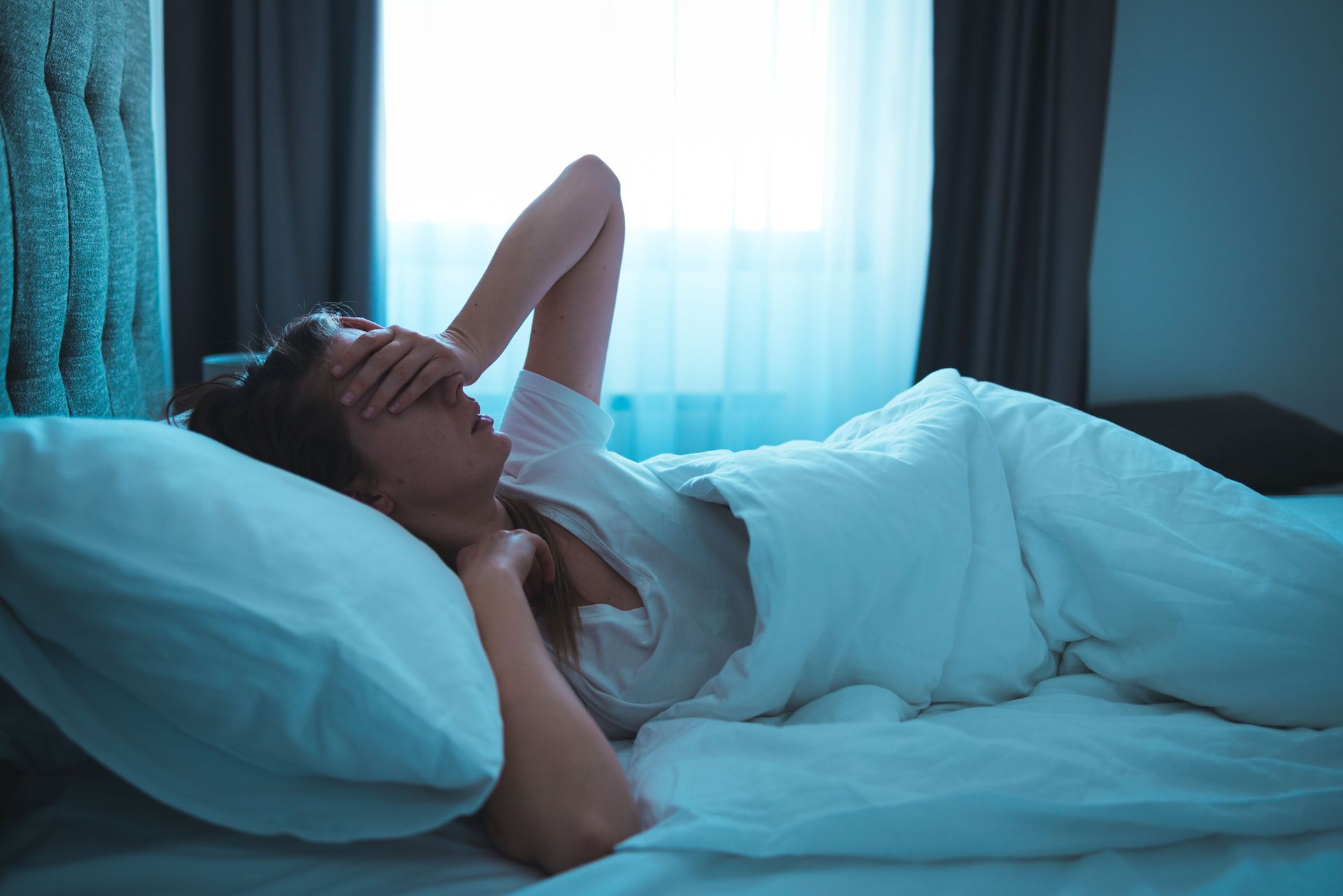
Insomnia is one of the most common sleep disorders, characterized by difficulty falling asleep, staying asleep, or experiencing restorative rest. Individuals with insomnia often feel fatigued during the day, even if they spend sufficient time in bed. This disorder can be temporary, triggered by stress, travel, or lifestyle changes, or chronic, lasting months or years and significantly impacting daily functioning.
The causes of insomnia are diverse. Stress and anxiety can create a cycle of sleeplessness, while medical conditions such as chronic pain, depression, or hormone imbalances may also contribute. Poor sleep habits, including irregular bedtimes or excessive screen time before bed, can exacerbate the condition. Identifying the root cause is essential for effective treatment.
Local sleep centers often employ a combination of behavioral therapies and, when appropriate, medication to help patients regain healthy sleep patterns. Cognitive-behavioral therapy for insomnia (CBT-I) is widely recognized as an effective, long-term solution. By addressing underlying issues and developing consistent sleep routines, patients can achieve more restful nights without relying solely on medication.
Beyond therapy, lifestyle adjustments play a significant role in managing insomnia. Establishing a calming bedtime routine, avoiding caffeine or heavy meals late in the evening, and creating a sleep-friendly environment are all strategies that support better sleep. With guidance from local sleep centers, patients can learn personalized approaches that work best for their individual needs.
2. Sleep Apnea: Silent Breathing Disruptions
Sleep apnea is a disorder in which breathing repeatedly stops and starts during sleep. These interruptions can last a few seconds to over a minute, often going unnoticed by the sleeper. However, they can result in poor sleep quality, daytime fatigue, and even serious health complications like high blood pressure, heart disease, and stroke. There are two main types: obstructive sleep apnea (OSA), caused by physical blockage of the airway, and central sleep apnea, which occurs when the brain fails to signal the muscles to breathe.
A common symptom of sleep apnea is loud, frequent snoring. According to the Sleep Health Foundation, about 15% of the population snores most nights. While not everyone who snores has sleep apnea, this statistic underscores how widespread nighttime breathing issues can be. Other signs include gasping or choking during sleep, morning headaches, and excessive daytime sleepiness.
Diagnosis typically involves an overnight sleep study, where breathing patterns, oxygen levels, and heart rate are monitored. Many local sleep centers offer both in-lab polysomnography and home-based sleep studies, providing flexible options to suit different patient needs. Early diagnosis is important to prevent long-term health consequences and improve overall sleep quality.
Treatment varies based on severity but often includes the use of continuous positive airway pressure (CPAP) devices, oral appliances, or lifestyle interventions like weight management and sleeping position adjustments. In some cases, surgery may be recommended to remove airway obstructions. With proper guidance, individuals can achieve safer, more restful sleep and reduce the risks associated with untreated sleep apnea.
3. Restless Leg Syndrome: The Urge to Move
Restless Leg Syndrome (RLS) is a neurological condition that causes uncomfortable sensations in the legs, often described as tingling, crawling, or aching. These sensations create a strong urge to move the legs, especially during periods of rest or inactivity. RLS can make it difficult to fall asleep, leading to chronic fatigue and daytime irritability.
The exact cause of RLS is not fully understood, though it is often linked to genetics, iron deficiency, and certain chronic conditions such as diabetes or kidney disease. Medications and lifestyle factors, including caffeine intake and prolonged sitting, can exacerbate symptoms. RLS may also occur in pregnancy, though it often resolves after childbirth.
Local sleep centers are equipped to diagnose RLS and differentiate it from other conditions that may mimic similar symptoms. Diagnostic methods typically include a thorough medical history, physical examination, and sometimes blood tests to check iron levels. By identifying triggers and underlying causes, practitioners can create tailored treatment plans that address the root problem.
Treatment strategies may include lifestyle modifications, iron supplementation, and prescription medications that target the neurological pathways involved in RLS. Patients may also benefit from regular exercise, stretching, or massage to relieve discomfort. Through ongoing support from sleep centers, individuals with RLS can experience improved sleep quality and a reduction in nighttime restlessness, helping them feel more energized during the day.
4. Narcolepsy: Sudden Sleep Attacks
Narcolepsy is a chronic neurological disorder characterized by sudden, uncontrollable episodes of sleep during the day. These sleep attacks can occur at any time, even in the middle of activities such as working, eating, or driving. Narcolepsy often begins in adolescence or early adulthood and can significantly impact social, academic, and occupational functioning.
Symptoms go beyond excessive daytime sleepiness. People with narcolepsy may experience cataplexy, a sudden loss of muscle tone triggered by strong emotions, as well as hallucinations and sleep paralysis upon falling asleep or waking. The cause is often linked to a deficiency in hypocretin, a brain chemical that regulates wakefulness, though genetic and autoimmune factors may also play a role.
Diagnosis typically involves sleep studies, including polysomnography and the multiple sleep latency test (MSLT), to monitor sleep patterns and determine the severity of symptoms. Local sleep centers have the expertise and equipment necessary to accurately diagnose narcolepsy, ensuring patients receive timely and appropriate care.
Treatment often includes a combination of lifestyle strategies and medications to manage sleepiness and prevent sudden sleep attacks. Scheduled naps, consistent sleep routines, and stimulant or wakefulness-promoting medications can help individuals maintain alertness throughout the day. By working closely with specialists at sleep centers, patients can achieve safer management of their symptoms, improving both daytime functioning and overall quality of life.
Sleep disorders can profoundly affect every aspect of life, from energy levels and mood to overall health and safety. Conditions like insomnia, sleep apnea, restless leg syndrome, and narcolepsy often go unrecognized or untreated, leaving individuals struggling with chronic fatigue and other complications. Seeking help from trained professionals is crucial to addressing these challenges effectively.
Local sleep centers provide the expertise, diagnostic tools, and treatment options necessary to help patients regain restorative sleep. From behavioral therapies and medical interventions to ongoing support and education, these centers empower individuals to take control of their sleep health. If you or a loved one experiences persistent sleep difficulties, reaching out to a local sleep center may be the first step toward nights filled with restful, uninterrupted sleep and days filled with renewed energy.
If you've been comparing local sleep centers, take the first step toward better sleep by scheduling a consultation with Vancouver Sleep Center. Our team is ready to help you find personalized sleep solutions.