April 29, 2026
Sleep plays a fundamental role in maintaining physical health, mental clarity, and emotional balance, yet it remains one of the most commonly disrupted aspects of modern life. From long work hours to increased screen exposure, many factors contribute to poor sleep habits and chronic sleep conditions. As a result, more individuals are seeking professional help to understand and address their sleep challenges. This is where sleep centers step in, offering structured environments and specialized care designed to uncover the root causes of disrupted sleep patterns. Their role has expanded significantly over time, particularly as technology continues to reshape how sleep is studied, diagnosed, and treated.
Modern sleep centers are no longer limited to overnight observations and basic evaluations. They now incorporate advanced tools that provide deeper insights into how the body behaves during rest. These innovations allow for more precise diagnoses and more personalized care plans. By combining clinical expertise with evolving technology, sleep centers can deliver solutions that align closely with individual needs. This shift has made sleep care more accessible, more efficient, and more responsive to the complexities of each patient's experience.
Understanding Sleep Disorders and Their Effects
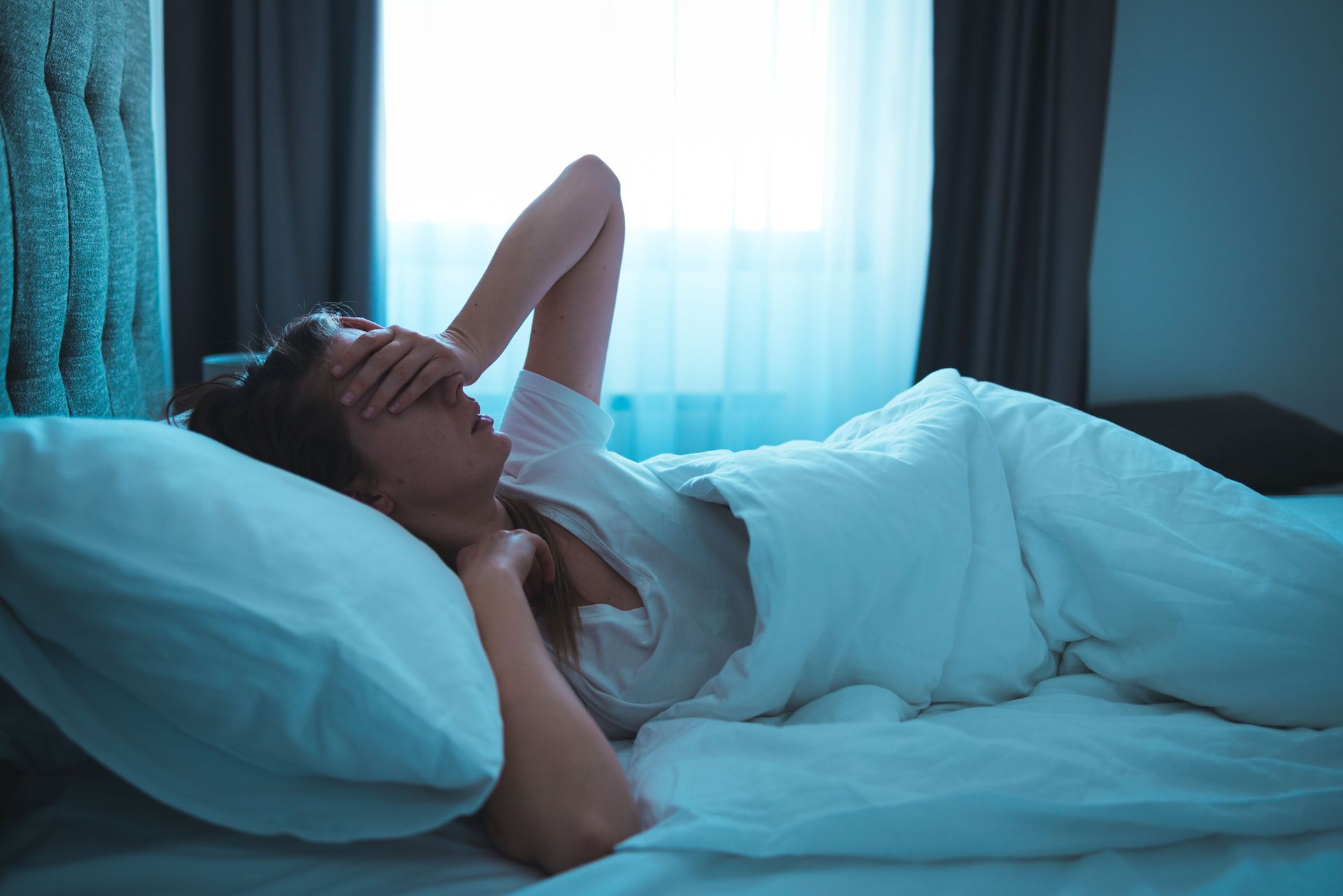
Sleep disorders affect millions of people and can take many forms, including insomnia, sleep apnea, restless leg syndrome, and narcolepsy. Each condition presents unique symptoms, ranging from difficulty falling asleep to interruptions in breathing or overwhelming daytime fatigue. These disorders can stem from a variety of causes such as stress, lifestyle habits, or underlying medical conditions. Sleep centers are designed to identify these patterns and provide clarity on what may be disrupting a person's rest. Through structured evaluations, individuals gain a clearer understanding of their sleep challenges.
The impact of these conditions extends beyond simple fatigue. Poor sleep can affect concentration, mood stability, and long-term health outcomes. Individuals may experience reduced productivity, memory issues, or heightened emotional sensitivity. Over time, untreated sleep problems can contribute to more serious concerns such as cardiovascular strain or metabolic imbalance. This makes early identification and treatment increasingly important. Sleep centers provide a pathway for addressing these concerns before they escalate.
Mental health is also closely tied to sleep quality. According to the Global Wellness Institute, 40% of Gen Z adults report having sleep anxiety at least three times a week. This highlights how stress and worry can directly interfere with rest, creating a cycle that is difficult to break. Sleep centers recognize this connection and often incorporate strategies that address both physical and psychological contributors to sleep disruption, offering a more balanced approach to care.
Diagnosing Sleep Conditions with Precision
Accurate diagnosis is the foundation of effective treatment, and sleep centers use a range of methods to gather detailed information about sleep behavior. One of the most well-known approaches is overnight monitoring, where patients are observed in a controlled setting. During this process, various physiological signals such as brain activity, breathing patterns, and heart rate are recorded. This data helps specialists pinpoint irregularities that may not be noticeable during waking hours.
Traditional in-lab studies remain valuable, but they are now complemented by newer, more flexible options. Home-based testing allows individuals to collect data in a familiar environment, which can lead to more natural sleep patterns during evaluation. These at-home solutions have made it easier for people to participate in sleep assessments without the need for extended clinic visits. Sleep centers often use these tools as part of a broader diagnostic strategy.
In addition to these methods, patient history and lifestyle factors play a significant role in forming a complete picture. Specialists consider daily routines, stress levels, and environmental influences when evaluating sleep concerns. By combining personal insights with technological data, sleep centers can create a well-rounded assessment that leads to more targeted and effective treatment plans.
Integrating Wearable Technology into Sleep Care
Wearable devices have introduced a new dimension to sleep tracking by allowing continuous monitoring outside of clinical settings. These tools collect data on movement, heart rate, and sleep duration, offering users a snapshot of their nightly patterns. For many individuals, this accessibility encourages greater awareness of sleep habits and motivates positive changes. Sleep centers often incorporate this data into their evaluations to supplement clinical findings.
While wearables provide convenience, they are not a replacement for professional diagnosis. Their accuracy can vary, and they may not capture the full complexity of certain sleep disorders. However, when used alongside clinical tools, they offer valuable insights that contribute to a more comprehensive understanding of sleep behavior. This combination allows sleep centers to refine their approach and tailor recommendations more effectively.
Utilizing Mobile Applications for Sleep Monitoring
Mobile applications have become another important tool in the effort to improve sleep quality. These apps analyze data collected through smartphones or connected devices, offering users feedback on their sleep patterns. Features such as sound tracking, movement detection, and personalized suggestions make these apps appealing to individuals seeking simple ways to improve their rest. Sleep centers may review this data as part of a broader evaluation process.
Despite their convenience, mobile apps have limitations. They are not designed to diagnose medical conditions and may lack the precision required for identifying complex disorders. However, they serve as a useful starting point for recognizing patterns and identifying potential concerns. Many individuals first become aware of their sleep issues through these tools before seeking professional help.
Expanding Access Through Home Sleep Testing
Home sleep testing has made it easier for individuals to undergo evaluations without visiting a clinical facility. These kits include portable devices that monitor key indicators such as breathing, oxygen levels, and heart activity sleep. The data collected is then reviewed by specialists to identify potential disorders. This approach has opened the door for more people to access sleep assessments, particularly those with busy schedules or limited mobility.
The simplicity of home testing has contributed to its growing adoption. Patients receive clear instructions and can complete the process in a familiar environment, which often leads to more natural sleep patterns during evaluation. Sleep centers use this information to make informed decisions about diagnosis and treatment, often combining it with other data sources for greater accuracy.
While home testing is effective for many common conditions, it may not capture the full range of data available in a clinical setting. As a result, some patients may still require in-lab studies for a more detailed analysis. Even so, home testing represents a significant step forward in making sleep care more accessible and adaptable to individual needs.
The integration of technology into sleep care has transformed how sleep disorders are understood and treated. From advanced diagnostic tools to wearable devices and home testing kits, sleep centers now have access to a wide range of resources that improve both accuracy and accessibility. These developments have made it possible to deliver care that is more personalized, more convenient, and more effective in addressing the diverse challenges individuals face with sleep.
As awareness of sleep health continues to grow, the role of
sleep centers will become even more significant. Their ability to combine clinical insight with technological innovation positions them as key contributors to overall well-being. If you have been struggling with restless nights or persistent fatigue, consider reaching out to a local provider to explore your options. Taking that first step could lead to meaningful improvements in your sleep and your daily life. Reach out to Vancouver Sleep Center today.