November 20, 2026
Loud snoring, restless nights, and constant daytime fatigue are easy to brush off as part of a busy life. For many people, though, these symptoms point to sleep apnea, a common but often undiagnosed condition in which breathing repeatedly stops and starts during sleep. Many people live with sleep apnea for years without realizing it, often because the most noticeable symptoms happen while they're asleep.
A partner may be the first to notice gasping, choking, or pauses in breathing. As awareness grows, more patients are skipping the guesswork and seeking help from sleep apnea centers that focus specifically on diagnosing and treating sleep disorders. These specialized facilities offer the testing, expertise, and treatment options that general care settings may not provide. Here's a closer look at why so many people are making the switch and what you can expect when you do.
Growing Awareness of Sleep Apnea Risks
Sleep apnea used to be thought of as little more than a snoring problem. Today, patients and physicians alike understand that it can affect nearly every aspect of health. When breathing is repeatedly interrupted at night, oxygen levels drop, and the body is jolted out of deep, restorative sleep.
Over time, untreated sleep apnea has been linked to high blood pressure, heart disease, metabolic problems, mood changes, and difficulty concentrating. Common warning signs include loud snoring, waking up with a headache or dry mouth, and feeling tired even after a full night in bed.
The condition is also more widespread than many people realize. According to the National Sleep Foundation, 38% of adults face an elevated risk of sleep apnea, which suggests that a significant portion of the population could benefit from evaluation, testing, or treatment. As this information becomes more widely shared, more people are recognizing their own symptoms and taking action. Sleep apnea centers give these patients a clear starting point and a dedicated team that understands what they're experiencing.
Easier Access to Comprehensive Testing
An accurate diagnosis is the foundation of effective treatment, and sleep testing has become far more accessible in recent years. Many sleep apnea centers now offer multiple testing options so patients can choose the approach that best fits their needs and symptoms. In-lab polysomnography is the most comprehensive option.
During an overnight study, trained sleep technologists monitor brain activity, breathing patterns, heart rate, oxygen levels, and limb movements in a comfortable, private setting. This detailed data helps specialists identify not only sleep apnea but also other conditions that may be disrupting rest. For many patients, a home sleep test offers a convenient alternative.
Using portable equipment, you can gather important data while sleeping in your own bed. A specialist then reviews the results and determines whether further testing or treatment is needed. Having both options available makes it easier for patients to get answers without unnecessary delays. Some patients with excessive daytime sleepiness may also need a daytime nap study, known as a multiple sleep latency test, to rule out conditions like narcolepsy.
Specialized Care From Board-Certified Providers
Sleep medicine is a specialized field, and working with providers who focus on it can make a meaningful difference. Board-certified sleep specialists have completed advanced training in diagnosing and treating sleep disorders, and they stay current on the latest research and treatment approaches.
This expertise matters because sleep apnea doesn't look the same for everyone. Some patients have obstructive sleep apnea caused by a blocked airway, while others may have central sleep apnea or overlapping conditions like insomnia or restless legs syndrome. A specialist can interpret test results in context, consider your full health history, and recommend a plan tailored to you.
Accredited sleep apnea centers also follow strict national standards for diagnostic accuracy, patient safety, and quality of care, giving patients added confidence in their results. Professional guidance also helps patients avoid self-diagnosing or relying on over-the-counter products that may only mask symptoms.
Wider Range of Treatment Options
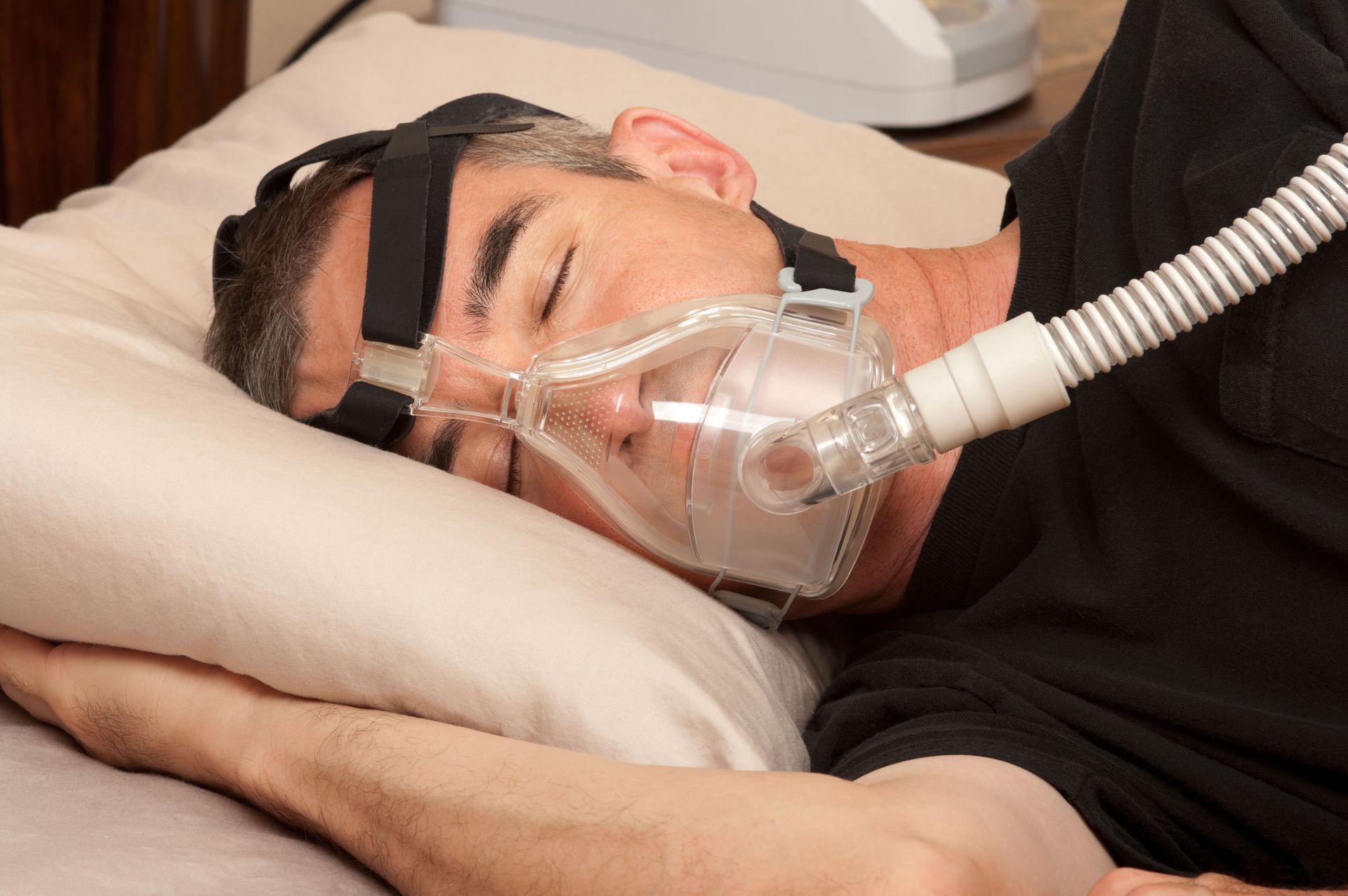
Many people assume that a sleep apnea diagnosis automatically means wearing a bulky mask every night. While CPAP therapy remains one of the most effective treatments, patients today have more choices than ever before. CPAP machines deliver a steady stream of air that keeps the airway open during sleep.
Modern units are quieter and more comfortable than older models, and a properly fitted mask can make a big difference in how well patients adjust. For those with mild to moderate obstructive sleep apnea or who struggle with CPAP, custom oral appliances may be an option. These devices gently reposition the jaw to help keep the airway clear.
Some patients may also be candidates for Inspire therapy, an implanted device that stimulates the airway muscles during sleep. Sleep apnea centers can help determine which approach is right for you and provide the follow-up studies needed to fine-tune treatment. Having access to multiple options under one roof makes it easier to find a solution you'll actually use. Lifestyle changes, such as adjusting sleep position or improving sleep habits, may also be recommended alongside medical treatment.
Faster Access to Appointments and Virtual Care
Long wait times can discourage people from seeking care, especially when they're already exhausted. Many patients are turning to sleep apnea centers because they offer quicker scheduling and more flexible ways to connect with providers. Some don't even require a referral, so patients can reach out directly and begin the evaluation process sooner.
Quick access to care means you can start addressing symptoms before they take a greater toll on your health. Telemedicine has also changed how people access sleep care.
Virtual appointments allow patients to discuss symptoms, review sleep study results, and adjust treatment plans from the comfort of home. This is especially valuable for people with busy schedules, limited transportation, or those who live farther from a clinic. Combined with home sleep testing, telemedicine helps remove many of the barriers that once kept people from getting help.
Ongoing Support for Long-Term Success
Treating sleep apnea isn't a one-time event. Many patients need time to adjust to new equipment, and treatment may need to be fine-tuned as their health, weight, or sleep patterns change. Ongoing support is one of the biggest advantages of working with dedicated sleep apnea centers.
Follow-up visits allow specialists to track progress, review therapy data, and address any concerns. If you're dealing with mask leaks, skin irritation, dry mouth, or difficulty staying asleep with your device, a knowledgeable team can troubleshoot the problem and recommend adjustments.
Help with replacement masks, tubing, and filters also keeps your equipment working properly. This level of support helps patients stay on track with treatment and enjoy the long-term benefits of better sleep. Patients who stick with their treatment often notice improvements in energy, mood, and focus.
Sleep apnea is common, but it doesn't have to control your life. With greater awareness, convenient testing, specialized providers, and a wider range of treatment options, more patients than ever are finding relief. Sleep apnea centers bring all of these resources together, helping you move from frustrating symptoms to a clear diagnosis and an effective plan. Getting evaluated is the first step toward more restful nights and better overall health.
If you've been struggling with snoring, fatigue, or restless nights, we're here to help. At Vancouver Sleep Center, all of our providers are board-certified, and our facility is accredited by the American Academy of Sleep Medicine. We can typically see new patients within one week, accept most major insurance providers, and offer telemedicine appointments for added convenience. Contact us today to learn more about our sleep apnea centers in Vancouver, WA.